SYRIAN NATIONAL FIBER OPTIC BACKBONE

We were carefully selected by Ericsson to be their primary main local contractor in this exceptional and unique project that was done in Syria. Which replaced the old analog exchanges with a digital core Fiber Optic Cables capable of handling modern mobile and landline traffic.

The "loop" design ensured that if a cable was cut between two major nodes (e.g., Homs and Aleppo), traffic could be rerouted through the other side of the ring, maintaining connectivity.It was the first step in Syria's attempt to become a data bridge between Turkey (and by extension Europe) and the GCC countries. The total length of the fiber optic network installed in this project was approximately 2,800 kilometers. This backbone created a comprehensive national "loop" linking major cities and industrial hubs, providing the high-speed data capacity necessary for the introduction of ADSL and mobile data services
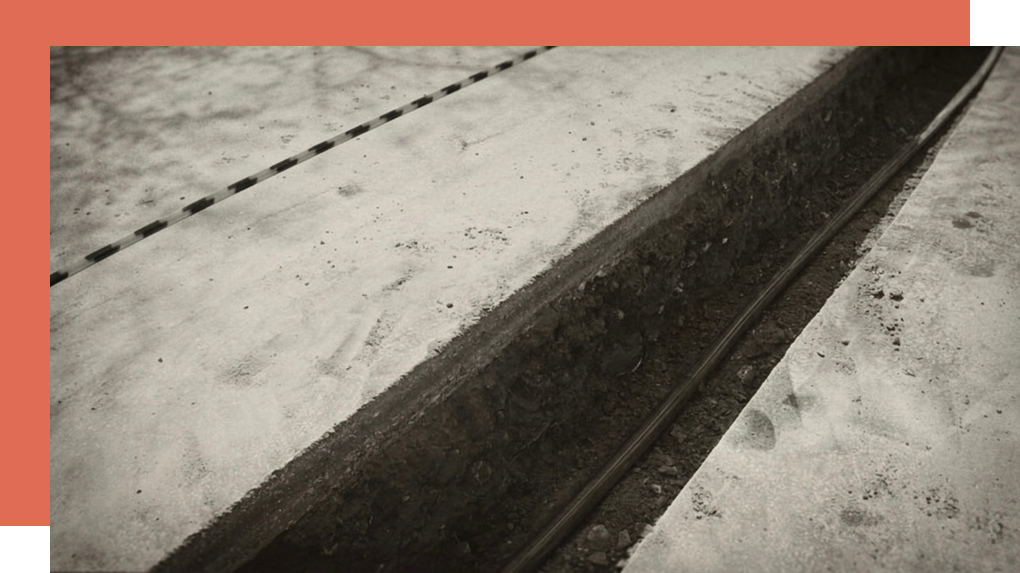
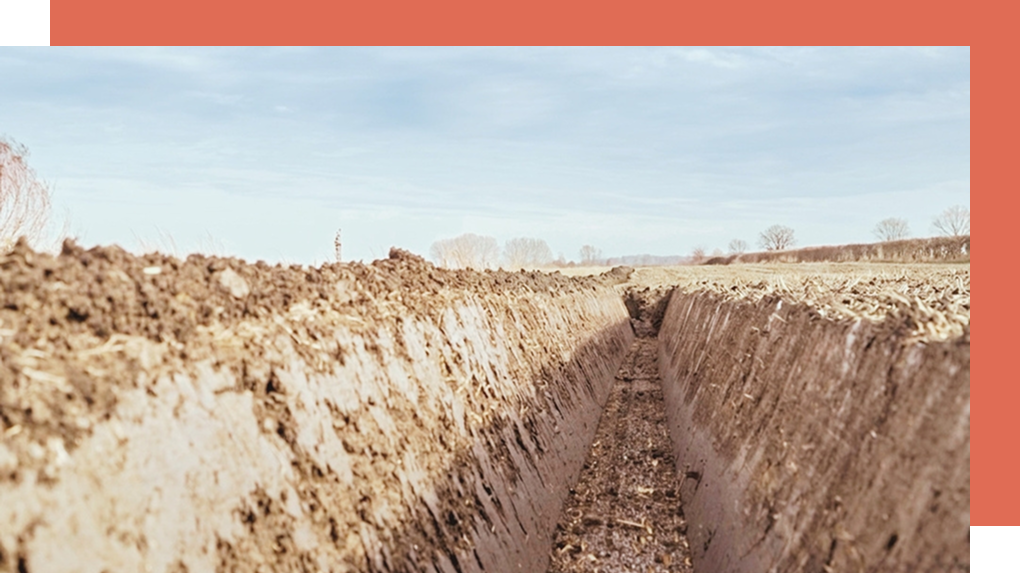
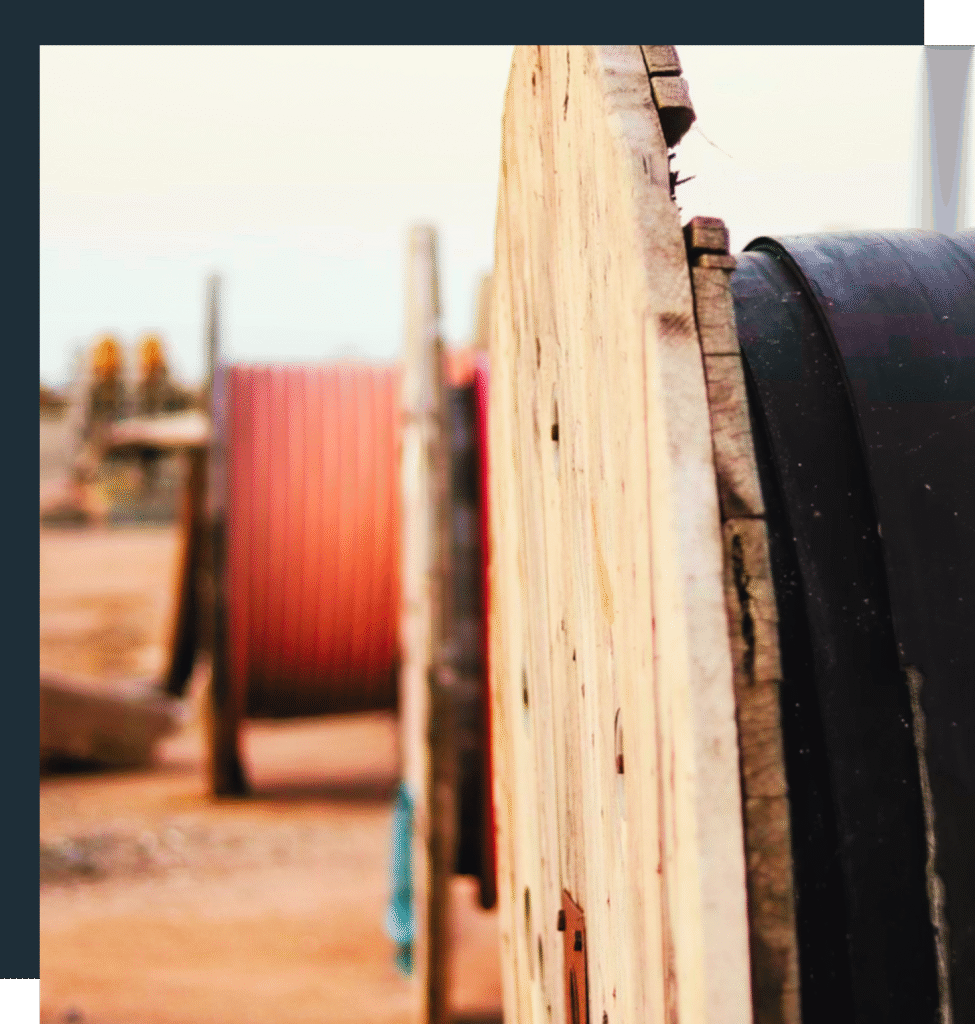
The role of TOECON as the main local contractor was responsible for the lifting, transportation and storing of cable drums, the excavation, trenching, laying of the cable conduits and then “blowing” or pulling the cables in the conduits, cutting, splicing and welding the fiber cables ends according to Ericsson and international standards, cable terminals, and final connections to central stations at the cities.

Technical procedure:

  • The Trenching Process: we have used trenching machines and excavators to dig the trenches in about 1 to 1.5meters deep.
  • A High-density polyethylene (HDPE) pipes were laid first after that the fiber optic cable were “blown” orpulled through these pipes in precise way to insure that glass fibers are not damaged .
  • The Trenching Process: we have used trenching machines and excavators to dig the trenches in about 1 to 1.5meters deep.
  • A High-density polyethylene (HDPE) pipes were laid first after that the fiber optic cable were “blown” orpulled through these pipes in precise way to insure that glass fibers are not damaged .

Cutting and Splicing the Cables:

  • Special tools were imported for this project. Cleavers: Precision cutting tools that snap the glass fiber before it goes into the Fusion Splicer; which is a high-precision machine that aligns two microscopic glass fibers and uses an electric arc to melt (fuse) them together into a single continuous strand. A special tent was erected at the area were the splicing is done, the tent was well sealed and cleaned from inside to remove all dusts, Air conditions were installed to maintain the air temperature according to standards, After splicing, the connection is placed in a Joint Closure and buried in a concrete manhole.
  • A highly qualified professionals were hired and trained to do the splicing activity, they used “loose tube” buffering, were fibers are grouped into small, color-coded plastic tubes this color-coding was essential for the “splicers” to ensure that “Fiber 1” in Damascus correctly matched “Fiber 1” arriving in Homs.
  • Special tools were imported for this project. Cleavers: Precision cutting tools that snap the glass fiber before it goes into the Fusion Splicer; which is a high-precision machine that aligns two microscopic glass fibers and uses an electric arc to melt (fuse) them together into a single continuous strand. A special tent was erected at the area were the splicing is done, the tent was well sealed and cleaned from inside to remove all dusts, Air conditions were installed to maintain the air temperature according to standards, After splicing, the connection is placed in a Joint Closure and buried in a concrete manhole.
  • A highly qualified professionals were hired and trained to do the splicing activity, they used “loose tube” buffering, were fibers are grouped into small, color-coded plastic tubes this color-coding was essential for the “splicers” to ensure that “Fiber 1” in Damascus correctly matched “Fiber 1” arriving in Homs.